

Knowing your Stone
Whether you’re planning a kitchen remodel, updating your bathroom, or designing an outdoor space, choosing the right type of stone can make all the difference. From timeless marble to rugged slate, each stone offers unique qualities that affect not only aesthetics but also durability, maintenance, and cost.
In this issue, we break down the most popular types of natural a stone highlighting their key advantages and drawbacks. Whether you’re aiming for elegance, practicality, or a bit of both, this guide will help you make an informed choice that suits your space and lifestyle.
Colour Comparison - Marbles, Granites, Limestones, Sandstones and Slates


Lighter Materials:
Pros:
- Makes spaces look bigger & brighter – reflects natural light well
- Clean, minimal aesthetic – suits modern or Scandinavian styles
- Stays cooler under sunlight or high heat
- Scratches and small imperfections are less visible
- Works as a neutral backdrop – easy to pair with colour accents
Cons:
- More susceptible to bright stains (e.g. red wine, turmeric, beetroot)
- Shows dust, dirt, and scuff marks more easily
- Can yellow or discolour over time (especially white tones)
- May feel sterile or cold if not balanced with texture/warmth
- Can require more frequent cleaning to maintain “crisp” look

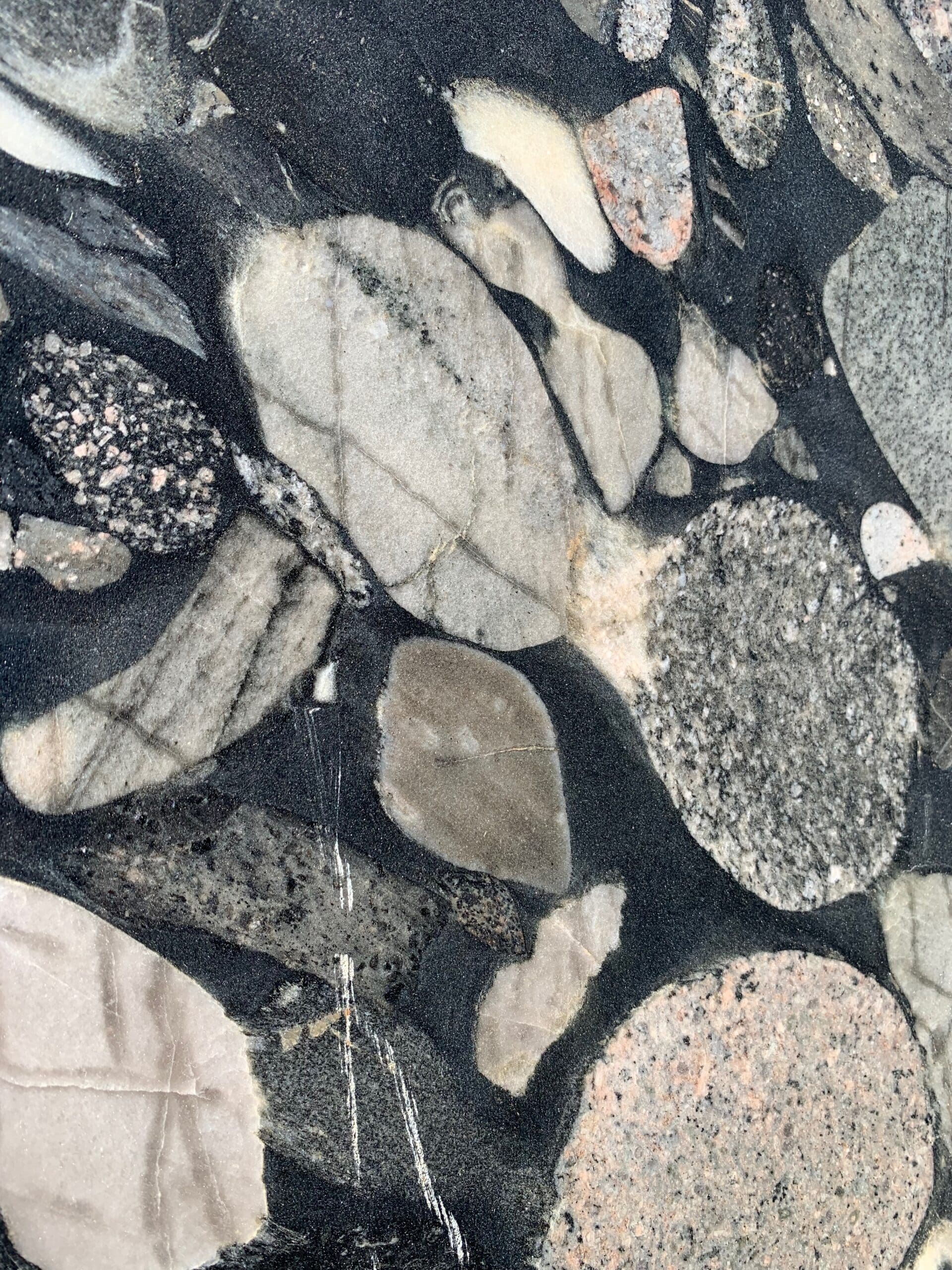

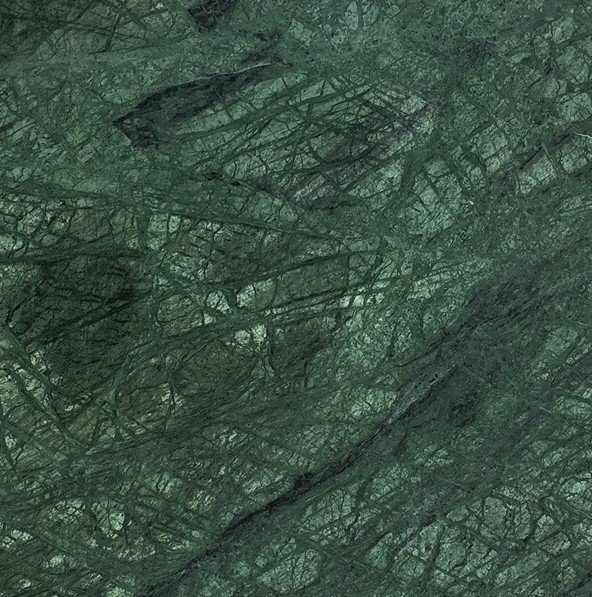
Darker Materials:
Pros:
-
- Hides dirt, dust, and general wear effectively
- Adds drama, richness, and sophistication to interiors
- Creates contrast – ideal for statement looks or focal areas
- Feels warm and cosy – especially in larger spaces
- Less glare/reflection – good for screens or low-light rooms
- Can develop a beautiful patina over time (e.g. dark woods, leathers)
Cons:
- Shows ring marks, smudges, fingerprints more clearly
- Stains from light/acidic substances (e.g. limescale, soap residue) stand out
- May make spaces feel smaller or darker
- Scratches or wear may be more visible on glossy/dark surfaces
Stone Porosity
Porosity refers to how much open space (pores) is within a material. Higher porosity means the stone absorbs more water, stains more easily, and may require more sealing and maintenance.
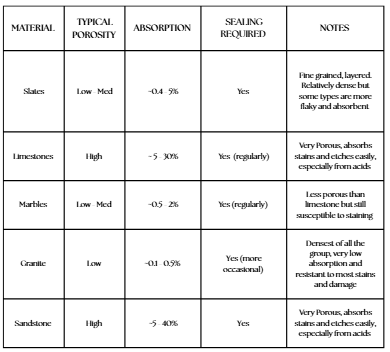
Please note: Within each of these materials, different colours, finishes and patterning have their own unique properties and quirks. Veining, mineral content, and finish can all affect porosity, durability, and maintenance. Speak to our team for tailored advice before making your final selection.