

Case Study:
Porcelain Paving vs. Natural Stone – Pros & Cons
When choosing between porcelain paving and natural stone, it’s important to consider durability, maintenance, aesthetics, and cost.
Porcelain paving is a modern, man-made option known for its durability and low maintenance. It is non-porous, meaning it doesn’t absorb water, making it highly resistant to stains, moss, and algae—perfect for wet or shaded areas. It’s also fade-resistant, ensuring the colour stays vibrant over time. However, due to its smooth surface, it may require careful installation on a solid, stable base to prevent cracking. Some varieties can also be slippery when wet, though textured finishes help with grip.
Natural stone, such as sandstone, limestone, or granite, offers a timeless and organic beauty, with each slab being unique in colour and texture. It ages beautifully and blends well with traditional and rustic landscapes. However, because natural stone is more porous, it can absorb water and stains, meaning it may require regular sealing and maintenance to prevent discoloration and moss growth.
Ultimately, the choice depends on your style preference, budget, and willingness to maintain the surface. Porcelain suits a sleek, modern aesthetic with minimal upkeep, while natural stone offers classic charm with a bit more maintenance involved
Natural Stone Landscaping
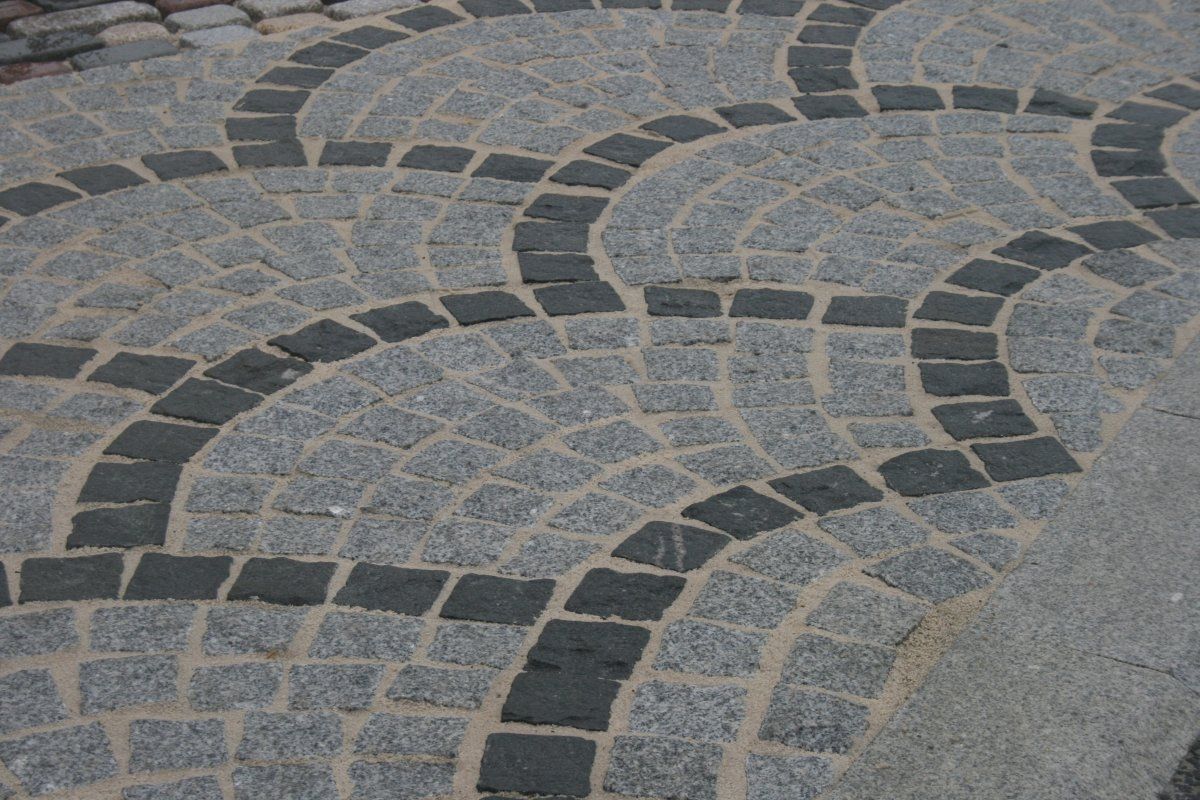
Silver/Grey Granite and Black Limestone Cobbles/Setts

Gold Quartzite Crazy Paving

Modak Rose Sandstone Paving

paving
The Beauty and Benefits of Natural Stone Landscaping
Natural stone landscaping is a timeless and versatile design approach that brings elegance, durability, and sustainability to outdoor spaces. Whether you’re enhancing a residential garden or a commercial property, natural stone offers a wide range of benefits that make it a preferred choice for landscapers and homeowners alike. From pathways and patios to retaining walls and decorative elements, incorporating natural stone into your outdoor design can create a stunning and functional landscape that stands the test of time.
Why Choose Natural Stone for Landscaping?
One of the biggest advantages of using natural stone in landscaping is its durability. Unlike synthetic materials, natural stone is incredibly resilient and can withstand harsh weather conditions, including extreme heat, cold, and heavy rainfall. This makes it an ideal choice for outdoor applications that require longevity and minimal maintenance.
Additionally, natural stone has a unique aesthetic appeal. Each piece carries its own distinct colour variations, textures, and patterns, ensuring that no two stones are exactly alike. This natural diversity creates a harmonious and organic look that blends seamlessly with the surrounding environment. Whether you prefer the rustic charm of cobblestones, the sleek finish of granite, or the earthy tones of sandstone, there is a natural stone option to suit every landscape style.
Popular Types of Natural Stone for Landscaping
Different types of natural stone offer unique characteristics that make them suitable for various landscaping projects. Here are some of the most commonly used stones and their applications:
1. Granite
Granite is one of the hardest and most durable natural stones, making it perfect for high-traffic areas like patios, walkways, and driveways. It comes in a variety of colours, including greys, blacks, pinks, and whites, allowing for a customizable look.
2. Slate
Slate is a fine-grained stone that is often used for patios, garden paths, and decorative stepping stones. Its natural cleft surface provides a non-slip texture, making it a practical choice for wet environments.
3. Limestone
Limestone is known for its soft, warm tones and smooth texture, making it ideal for garden walls, borders, and stepping stones. It weathers beautifully over time, adding character to the landscape.
4. Sandstone
Sandstone is a popular choice for its rich earthy hues and versatility. It is commonly used for flagstone patios, retaining walls, and garden features, offering a natural and warm aesthetic.
5. Cobblestone
Cobblestones create a charming, old-world appeal that works well for driveways, walkways, and edging. Their rounded shapes and weathered appearance add a sense of history and character to outdoor spaces.
Porcelain Paving
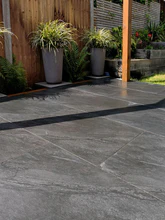
Anthracite Porcelain Paving

HS Grey Porcelain Paving
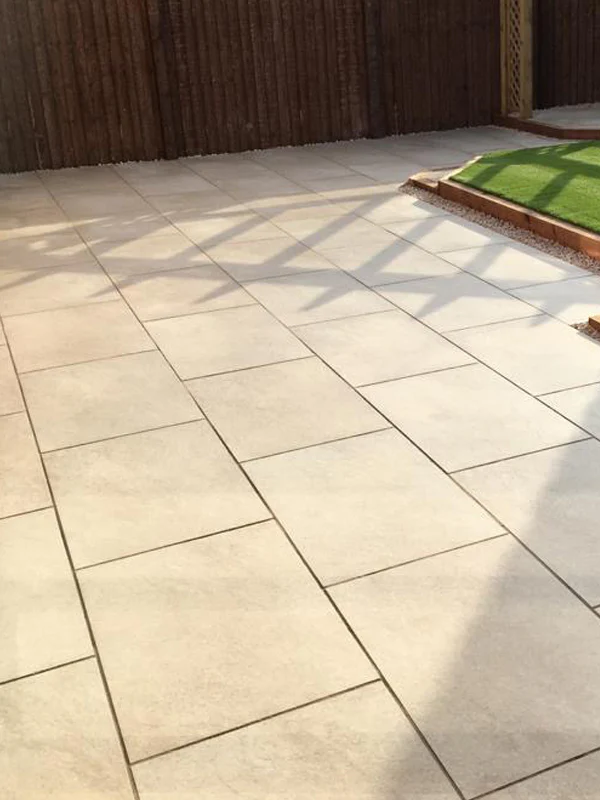
HS Beige Porcelain Paving
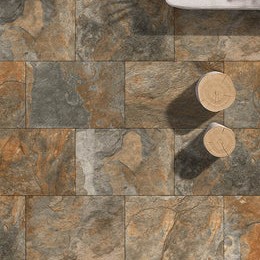
COPPER RUSTIC
The Beauty and Benefits of Porcelain Paving
Porcelain paving is a modern and stylish solution for creating elegant, durable, and low-maintenance outdoor spaces. As an increasingly popular choice among homeowners and landscapers, porcelain paving offers numerous benefits that make it a fantastic alternative to natural stone and concrete. Whether used for patios, pathways, or driveways, this high-performance material delivers a sleek and contemporary look while providing exceptional durability and ease of upkeep.
Why Choose Porcelain Paving for Landscaping?
One of the main advantages of porcelain paving is its resilience. Manufactured from high-quality clay and fired at extremely high temperatures, porcelain is non-porous, making it resistant to stains, moisture, and frost damage. This means that it won’t absorb water, preventing issues such as cracking or moss growth, which are common with natural stone and concrete surfaces.
Additionally, porcelain paving offers a refined and consistent aesthetic. Available in a vast array of colours, patterns, and textures, it can mimic the appearance of natural stone, wood, or concrete while maintaining a sleek and modern finish. The uniformity of porcelain slabs ensures a clean and contemporary look, perfect for a variety of outdoor settings.
Popular Types of Porcelain Paving
Porcelain paving comes in different styles and finishes, making it suitable for various landscaping projects. Here are some of the most common types:
1. Stone-Effect Porcelain
Designed to replicate the natural beauty of materials like limestone, slate, and granite, stone-effect porcelain offers the charm of natural stone with enhanced durability and lower maintenance.
2. Wood-Effect Porcelain
If you love the warmth of wooden decking but want a more weather-resistant option, wood-effect porcelain is an excellent alternative. It mimics the grain and texture of real wood without the risk of rotting or warping.
3. Textured Porcelain
For areas prone to moisture, such as around pools and outdoor kitchens, textured porcelain provides extra grip, ensuring a slip-resistant surface for safety and practicality.